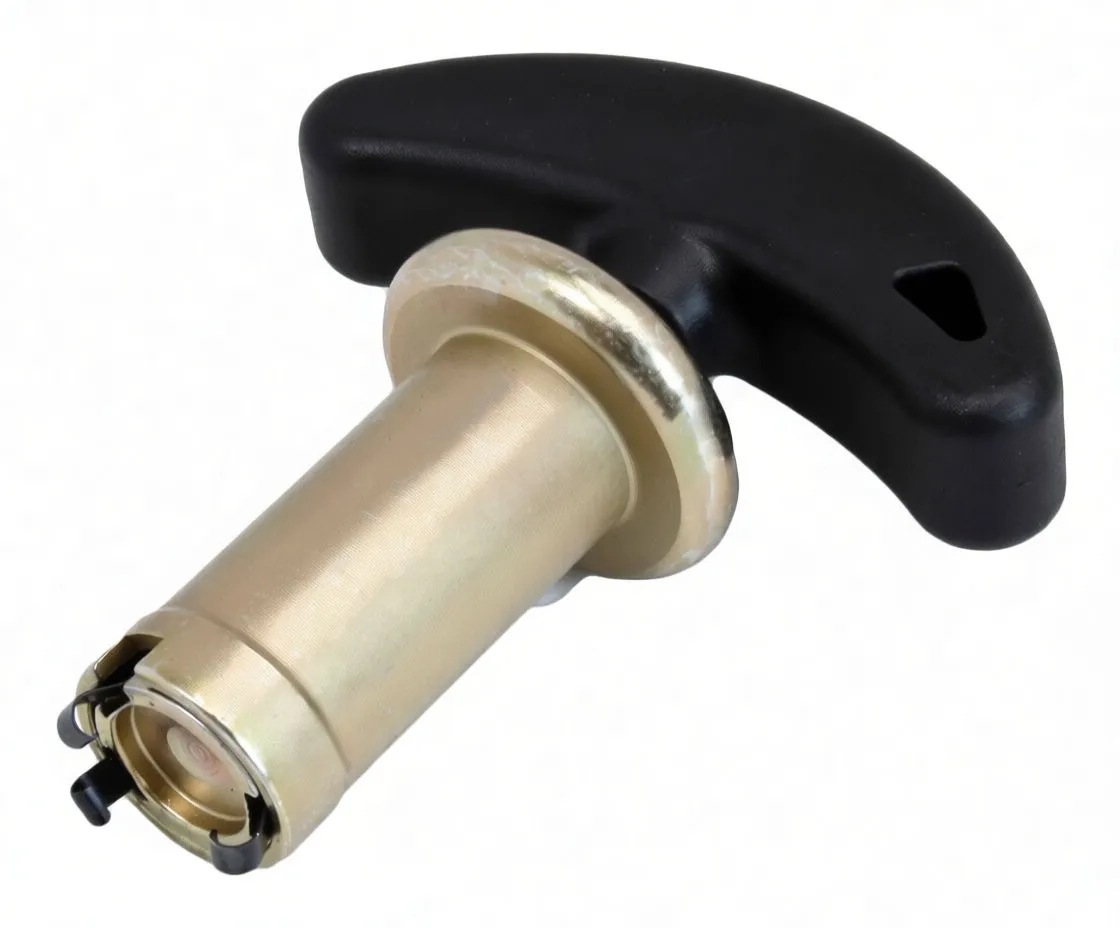
Fuel Line Connector Tool for VW, Audi, Skoda TDI Common Rail Diesel Engines
Precision tool for safe de/assembly of fuel return line connectors on 2.0–3.0 TDI diesel injectors. Prevents costly damage.
Request QuoteDescription
Fuel Line Connector Tool for VW, Audi, Skoda TDI Common Rail Diesel Engines
Brief Overview
This specialized fuel line connector tool is engineered for the correct removal and installation of fuel return line quick-connect fittings on Common Rail diesel injectors in VW, Audi, and Skoda vehicles. The tool's three-tang engagement collar aligns perfectly with the connector's internal locking mechanism, eliminating the guesswork and risk of joint damage that results from improper loosening techniques. For shops servicing European diesel engines, this tool is essential to avoid costly fuel line replacement—a job that often leads to engine compartment rework and customer dissatisfaction. Pair this with fuel line pliers for complementary connector work or consider a comprehensive fuel connector repair kit for a fully stocked diesel service bay.
Key Features
- Three-Tang Engagement Design: Precisely grips the internal locking pins of fuel return line connectors, preventing cam-out and connector damage
- T-Shaped Ergonomic Handle: Black plastic handle provides secure grip and leverage without hand fatigue during extraction
- Gold-Finished Metal Shaft: Durable, corrosion-resistant finish withstands repeated use in high-temperature engine compartment environments
- Compact Single-Tool Solution: No assembly required; ready to use immediately upon delivery
- OEM-Compatible Fit: Designed for genuine quick-connect specifications across multiple TDI engine generations
Technical Specifications
| Specification | Detail |
|---|---|
| Application | VW, Audi, Skoda TDI Common Rail diesel engines (2.0, 2.7, 3.0L) |
| Compatible Engine Codes | BMK, BPP, CAAA–CAAE, CAGA–CAGC, CBAA–CBDC, CDUD |
| Vehicle Models | VW: Eos, Golf V/VI, Jetta, Passat, Scirocco, Tiguan, Transporter T5, Phaeton; Audi: A3, A4, A5, A6, A7, Q5; Skoda: Yeti and others |
| Function | De/assembly of fuel return line plug connectors on injectors |
| Handle Material | Black plastic with integrated comfort grip |
| Working End Material | Gold-finished metal shaft with three rounded metal tangs |
| Engagement Type | Three-point collar with internal locking pin alignment |
Why This Matters to Your Shop
Prevents Costly Repair Escalation: Incorrect fuel connector removal damages the internal seals and requires complete fuel line replacement—a labor-intensive job that impacts customer satisfaction and your shop's profitability. This tool eliminates that risk.
Increases Service Confidence: Your technicians can tackle fuel system work on high-value diesel vehicles without hesitation, opening up service opportunities on Audi, VW, and Skoda fleets.
Fast ROI: Single-tool investment pays for itself after just 2–3 fuel injector service jobs.
Builds Reputation: Proper fuel system handling distinguishes your shop as a trusted specialist in European diesel engines.
Business Advantages for Resellers
- High Margin Opportunity: Fuel line tools command strong margins because demand is consistent and competition is fragmented
- Low Carrying Cost: Single compact tool with no consumable components; long shelf life
- Essential for Diesel Shops: Any shop with VW, Audi, or Skoda diesel vehicles in their service area will stock this
- Bundle Opportunity: Cross-sell with fuel line pliers or comprehensive connector kits to increase transaction value
- Technical Differentiation: Position your inventory as the "right tool" supplier, not just another parts distributor
How to Market This to Your Customers
"Protect your fuel system investment. Our fuel connector tool ensures correct, damage-free removal of return line connectors on TDI engines. No guesswork. No comebacks. One tool, professional results."
Stock this tool if you serve independent diesel shops, VW/Audi specialists, or fleet maintenance facilities. It's a non-negotiable addition to any professional service bay handling European Common Rail diesel engines.